Advanced nuclear power,
built for deployment
240MWe reactor and a phased deployment model designed around how power projects are financed, built, and operated.
We need more power
Electricity demand is soaring as America competes in artificial intelligence, expands domestic manufacturing, and pursues energy security.
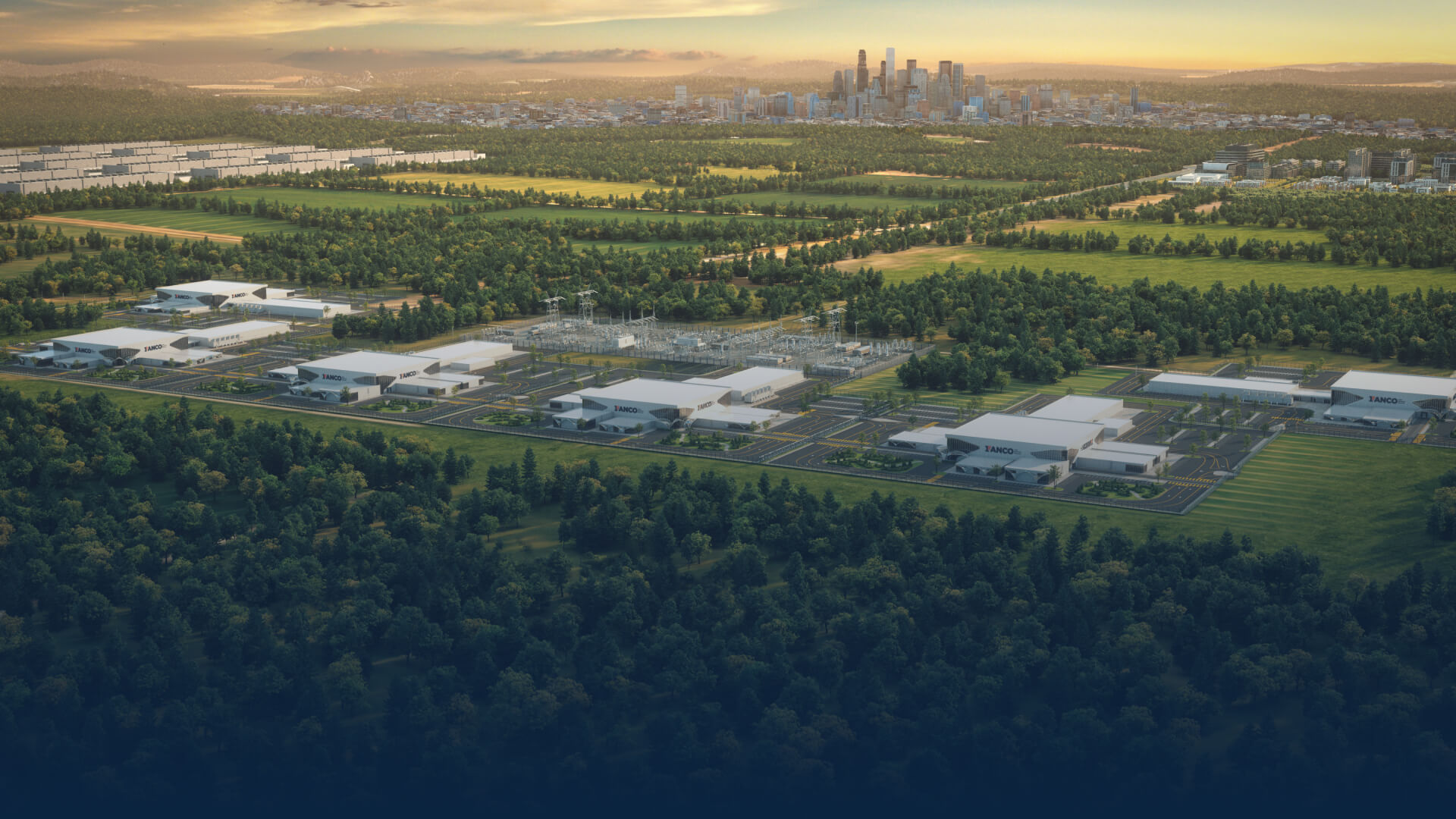
First American Nuclear is developing a practical approach to delivering clean, reliable, utility-scale power, designed around greater schedule visibility, existing industrial capabilities, and the realities of major energy projects
FANCO is not merely developing a reactor. It is developing a practical way to deliver large amounts of power on customer timelines.

IT STARTS WITH EAGL-1
Why another reactor?
Because the future of nuclear energy will be decided not only by what can be designed, but by what can be deployed and operated at-scale.
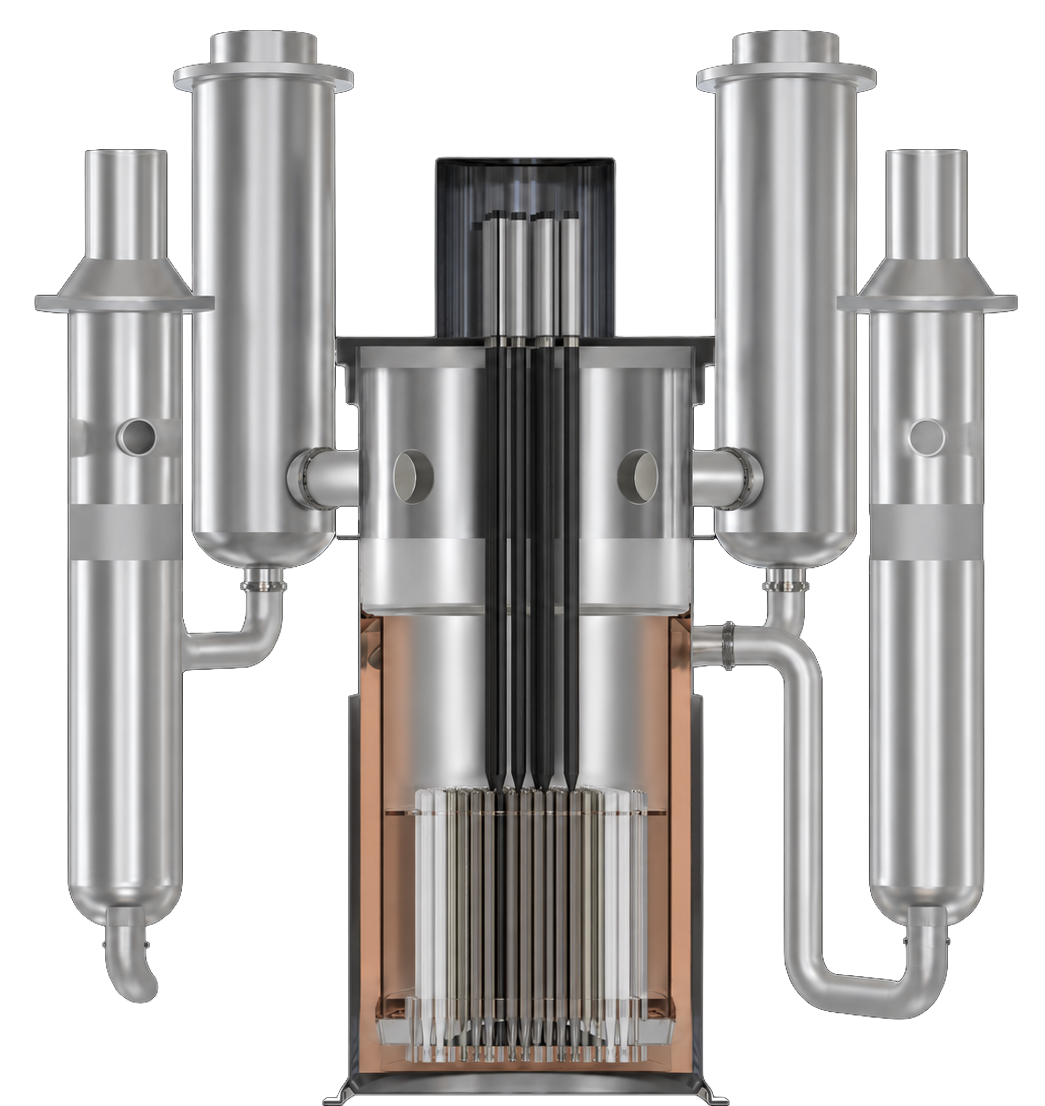
EAGL-1 is a 240-megawatt electric (MWe), fast-spectrum, small modular reactor (SMR) designed to deliver reliable power at utility scale and address a future fuel-cycle.
Designed around proven engineering principles, existing supply chains, and a practical deployment model, EAGL-1 is intended to avoid the complexity, cost, and construction challenges that have hindered previous nuclear projects.
The result is an advanced reactor being developed not just to work on paper, but to perform in the real world and wrapped in a deployment strategy that delivers power now.
Extensive factory fabrication, assembly, and testing
240MWe utility-scale output in a small package
Low-pressure design and passive safety features
Designed for future closed fuel cycle capability
Fuel flexibility and multiple fuel pathways
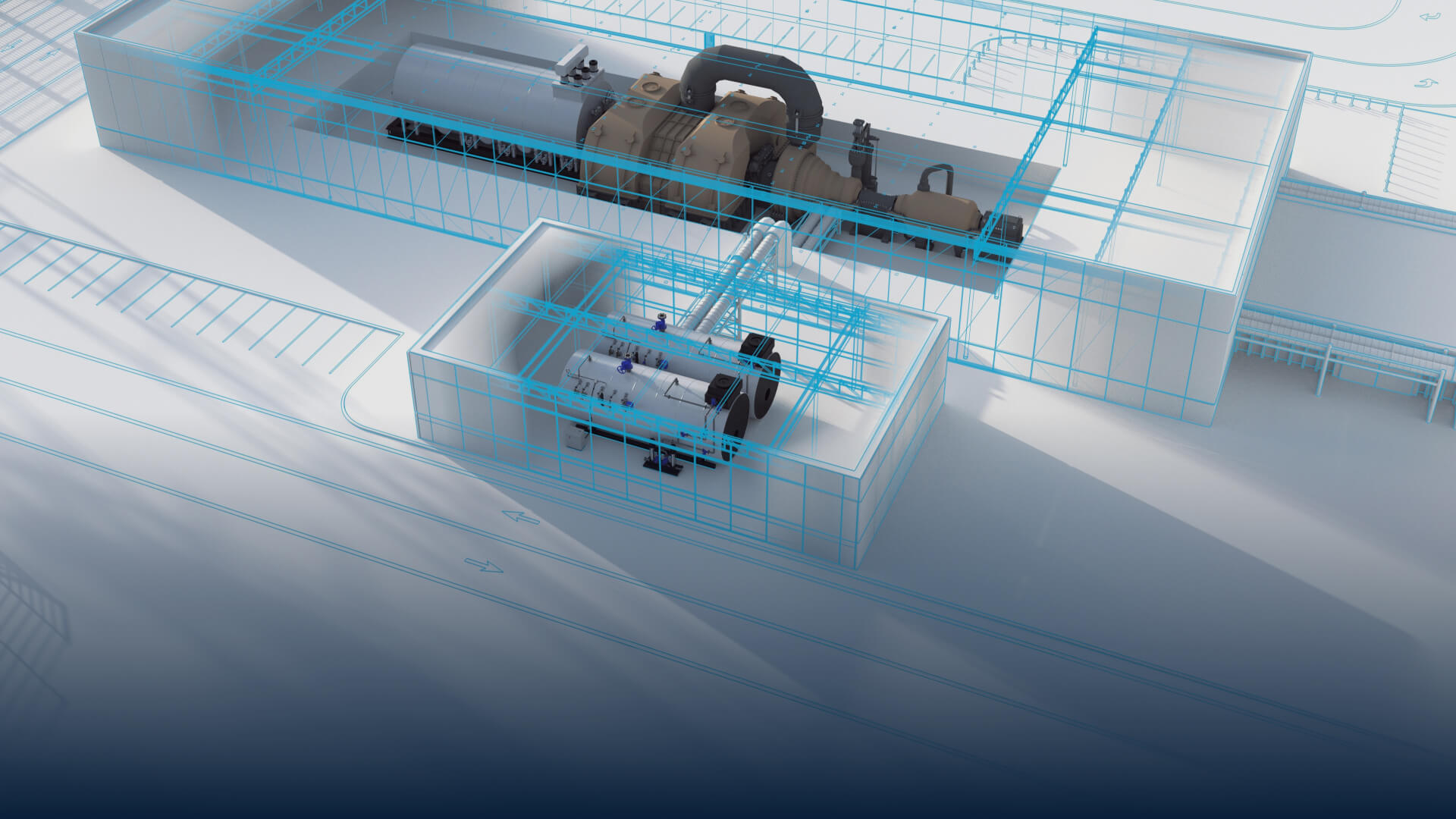
One plant. Two heat sources.
During the bridge phase, package boilers produce steam for the plant’s turbine-generator. Once EAGL-1 is licensed, commissioned, and operating, the reactor becomes the heat source for that same turbine-generator, while the majority of balance-of-plant and site infrastructure remain in service.
Because this transition is planned from the beginning, BRIDGE POWER can reduce the need to build two separate power plants. Sharing equipment and infrastructure can reduce duplicate construction, minimize stranded assets, and provide a practical path from reliable power today to long-term, carbon-free nuclear energy.
CUSTOMERS
Baseload power at utility scale
Developing solutions for customers whose success depends on abundant, reliable power.
01
Hyperscalers
02
Data Center Developers and Operators
03
Industrial and Manufacturing Companies
04
Military and Government Sites
PROVEN EXPERTISE
A team that has decades of hands-on advanced nuclear experience around the globe
FANCO has amassed a brain trust of experts in the design, operation, testing, licensing, and development of advanced reactors and nuclear fuel-cycle programs.
We then augmented that technical foundation with expertise in project development, construction, finance, regulation, manufacturing, and commercial energy markets.
COMMERCIAL AND REGULATORY PROGRESS
Advancing toward deployment
FANCO is advancing EAGL-1 toward commercial deployment through disciplined engineering development and ongoing engagement with the U.S. Nuclear Regulatory Commission.
In parallel, we are building the delivery network required to bring the technology to market, working with experienced partners across engineering, construction, manufacturing, project development, and nuclear fuel.



PART OF THE CONVERSATION
Independent reporting by journalists from leading news organizations