Founded to deliver on the promise of nuclear energy, practically
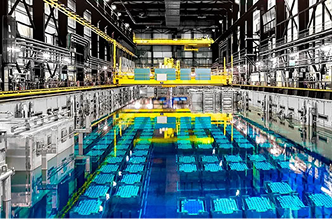
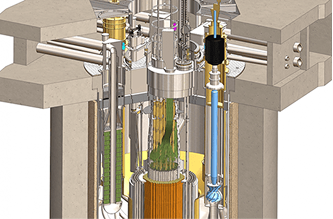
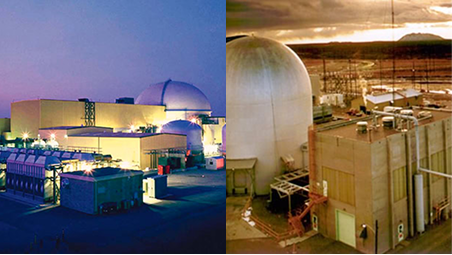
FANCO began with a group of nuclear engineers and scientists whose careers were shaped by America’s fast reactor programs. Many worked directly on the Fast Flux Test Facility (FFTF), a 400-megawatt thermal (MWt) sodium-cooled fast reactor at the U.S. Department of Energy’s Hanford site in Washington state.
FFTF demonstrated that advanced fast-reactor systems could be operated safely and reliably and provided a full-scale platform for advanced fuel and materials irradiation, reactor-physics work, and passive-safety testing. Its operating data continue to be preserved and used by U.S. national laboratories and international researchers to support advanced-reactor analysis and benchmarking.
Experience built in the field
What remained was a team of engineers who had tested its fuel assemblies, ran its sodium loops, and built its safety record firsthand. Advanced-reactor development is often discussed through models, simulations, and conceptual designs. The people behind FANCO came from a different starting point. Fast-spectrum reactor physics, liquid-metal operations, advanced fuels, and passive-safety behavior have been demonstrated through decades of U.S. reactor programs. FANCO’s challenge is to apply that technical foundation to a reactor and deployment model that can be licensed, manufactured, financed, and repeated commercially.
That team has grown to include experts covering all aspects of the industry, from regulatory and licensing to commercial reactor operations to supply chain and project delivery. FANCO prides itself in a team made up of hands-on doers.
Solving the hardest problems first
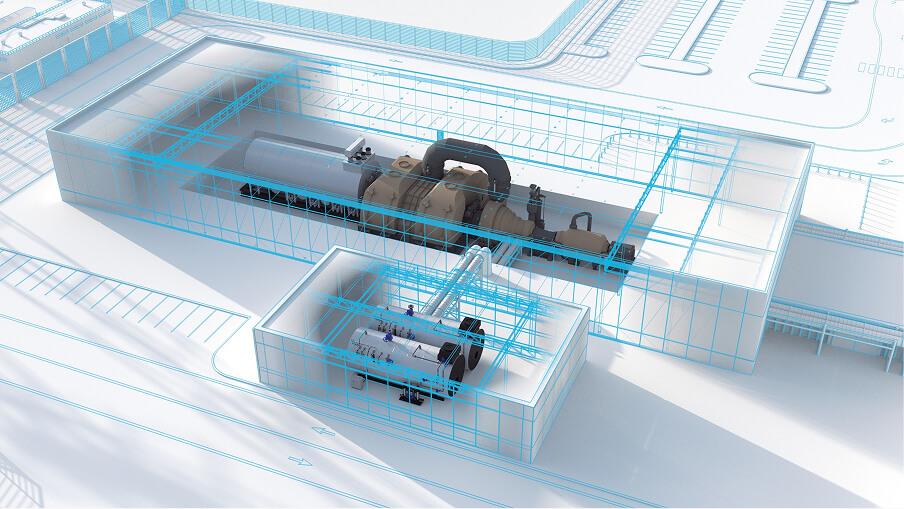
That’s why this team designed the FANCO deployment platform and EAGL-1 around the industry’s unsolved problems: short-term power needs, constrained supply chains, siting, and fuel-cycle management.
Collaboration across the industry
FANCO’s technical development team draws on current company work, prior contractual work, and decades of experience represented across the team in U.S. Department of Energy and national-laboratory programs.