Affordable clean energy through American nuclear leadership

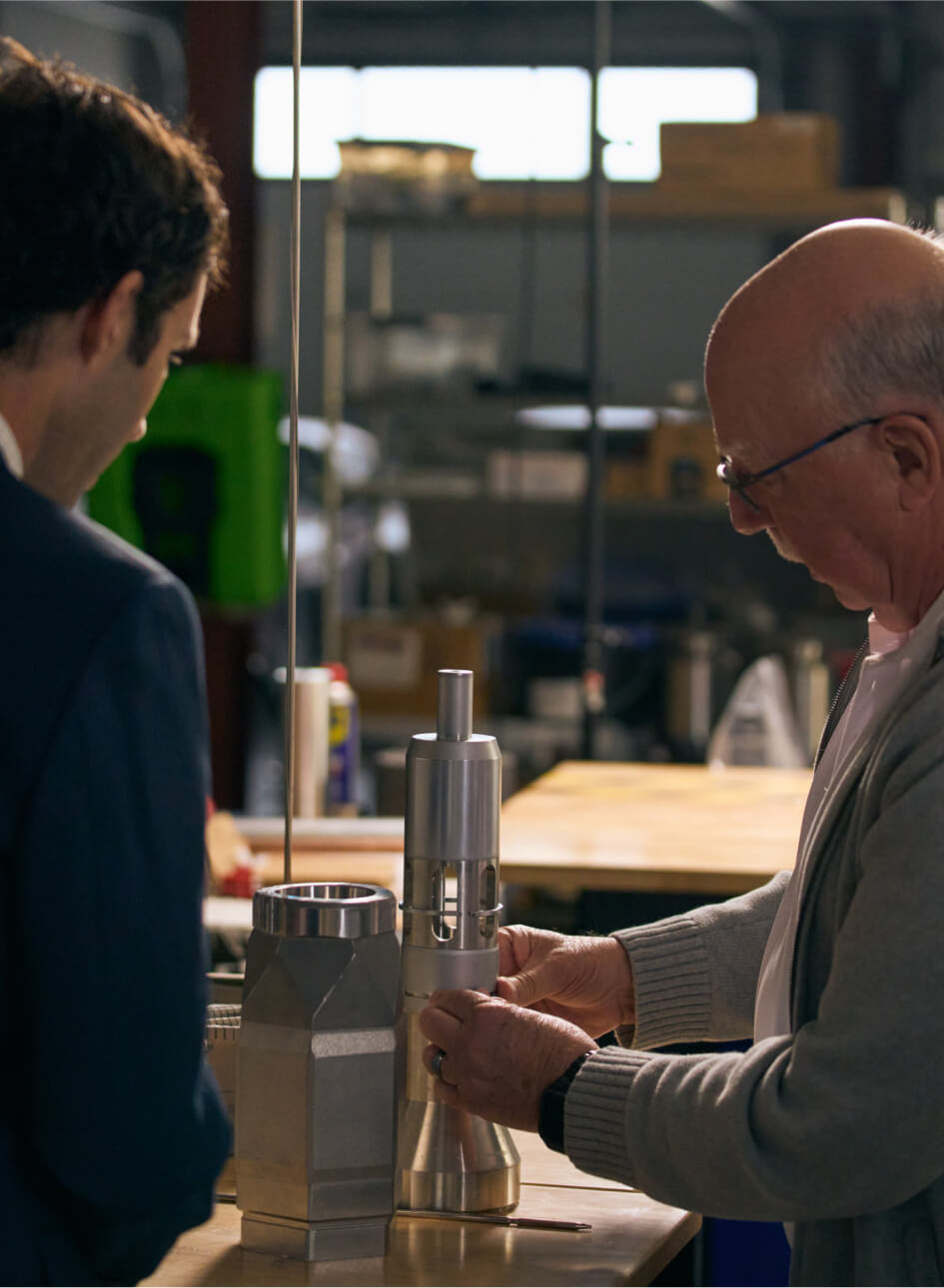
Mechanical engineer Nicole Elizarraras
EAGL-1 SMALL MODULAR REACTOR (SMR)
Advanced nuclear power, designed with the customer in mind
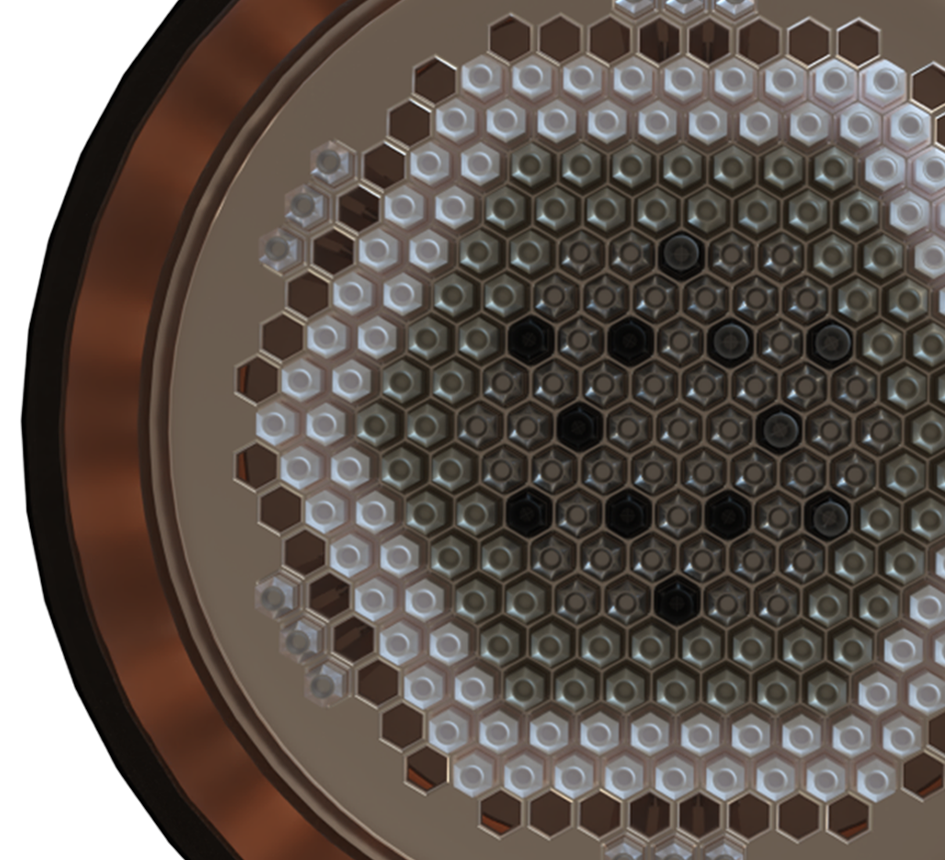
EAGL-1 is a 240-megawatt electric (MWe) liquid metal fast-spectrum SMR designed with support from the U.S. Advanced Reactor Development Program (ARDP), U.S. national laboratories, and work performed by members of the FANCO team across federal advanced-reactor programs.
Compact architecture, low-pressure coolant, modular manufacturing, and compatibility with established industrial materials are intended to reduce the complexity, construction risk, and cost that have historically challenged nuclear projects.
REAL-WORLD ECONOMICS
Engineered to perform in competitive markets
FANCO’s cost model for EAGL-1 is based on the expected costs of its first commercial deployment, rather than on projected efficiencies or cost reductions that may be achieved only after multiple units have been built.
Our development approach focuses on minimizing system complexity, shifting more work into controlled manufacturing environments, and using existing U.S. industrial capabilities wherever practical.
The objective is to produce a reactor that can fit within regulated utility models, compete in commercial power markets, and provide customers with reliable baseload power.
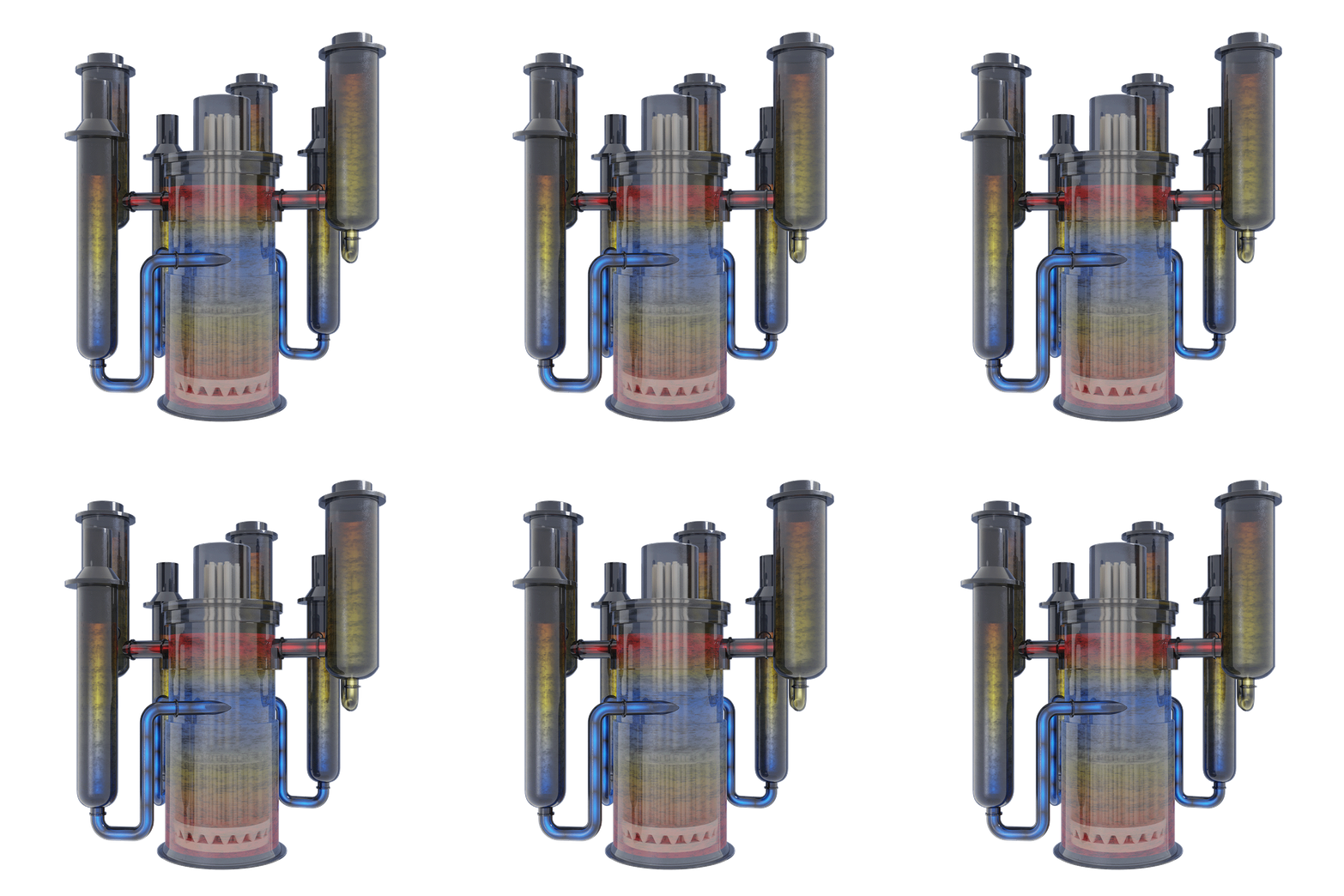
240 MWe
Electric output per unit
1,400+ MWe
OUTPUT FROM A SIX-UNIT ENERGY PARK
600 MWt
Thermal output per unit
~2 TWh/year
ANNUAL ELECTRIC OUTPUT

Megawatt-thermal (MWth) and megawatt-electric (MWe) measure different things. MWth indicates how much heat a reactor produces, and MWe is how much electricity it will generate. Both metrics are important to understand the efficiency of any reactor design.
THE COOLANT IS THE KEY
Why EAGL-1 uses lead-bismuth
EAGL-1 uses lead-bismuth eutectic, or LBE, as its primary reactor coolant. LBE has decades of real-world operating experience in international reactor programs.
FANCO selected LBE for EAGL-1 because it combined low-pressure operation, a high boiling point (1,670 degrees Celsius), and nonflammable / non-reactive behavior with the strong heat-transfer characteristic advantages of working with a liquid metal alloy.
These characteristics reduce the need for the high-pressure systems used in conventional water-cooled reactors and avoid the reaction concerns associated with sodium-cooled designs.
- Low operating pressure
- Nonflammable
- High boiling point
- Effective heat transfer
SAFETY BY DESIGN
Physical characteristics work with, not against, safety systems
The low-pressure primary system, high coolant boiling point, thermal inertia, and fast-spectrum core of EAGL-1 support passive responses across a wide range of conditions.
These inherent features work alongside engineered systems for monitoring, shutdown, and safe removal of residual heat, also known as “decay heat,” to protect the reactor under a range of operating scenarios.
Together, they could allow EAGL-1 to operate with fewer major systems and a smaller footprint while drawing important safety benefits from the intrinsic properties of its coolant.
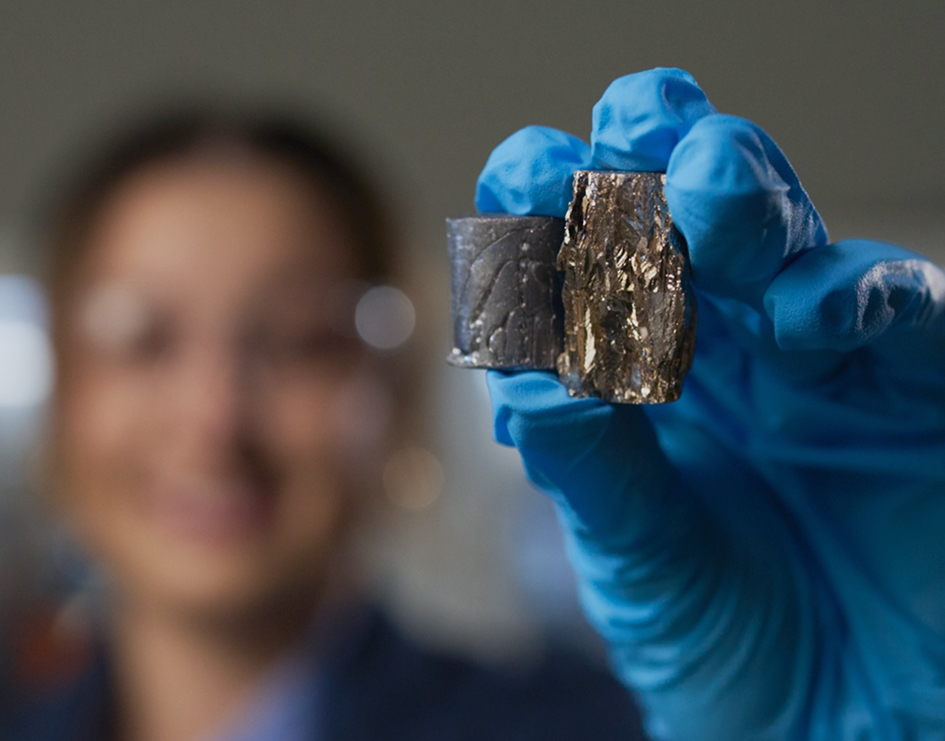
A deliberate choice based on decades of hands-on advanced reactor experience
Most advanced reactor developers turn to technologies they have encountered in research, modeling, and analysis. FANCO’s coolant selection is grounded in decades of hands-on experience across liquid-metal reactors, fast-spectrum systems, advanced nuclear fuels, safety analysis, reactor operations, and national advanced-reactor programs.
Rather than beginning with a preferred technology and designing around its limitations, The team began with the requirements of commercial deployment and evaluated the reactor architecture against those requirements, resulting in LBE as the coolant of choice for EAGL-1.
Lead and lead-bismuth eutectic (LBE) are different coolants. Pure lead melts at 330°C compared to LBE’s melting point of just 125°C. A lower melting point means that LBE stays liquid with significantly less heat. Remaining in liquid form allows the coolant to do its job by circulating and carrying heat away from the reactor core. A lower heat requirement is advantageous for normal plant operations, startups, and shutdowns. A low melting point is another reason FANCO selected lead-bismuth rather than pure lead for EAGL-1.
Deployment becomes less about construction and more about assembly
Traditional nuclear plants require large amounts of complex, site-specific construction. EAGl-1 is being developed to shift more of that work into factories where components and modules can be produced repeatedly under controlled conditions.
Factory-fabricated systems
Major components and subassemblies are designed to be manufactured, inspected, and tested before shipment to the project site. This approach can improve quality control, reduce on-site construction, and give customers greater confidence in project schedules and costs.
Simplified plant architecture
EAGL-1’s low-pressure coolant system and fewer major reactor systems are intended to reduce equipment volume and construction complexity of the entire plant.
Existing industrial capabilities
EAGL-1 is being designed to use well-understood materials, fabrication methods, and U.S. supply-chain capabilities wherever practical.
Repeatable site assembly
Standardized modules and plant configurations are intended to reduce the amount of project-specific engineering required for each deployment.
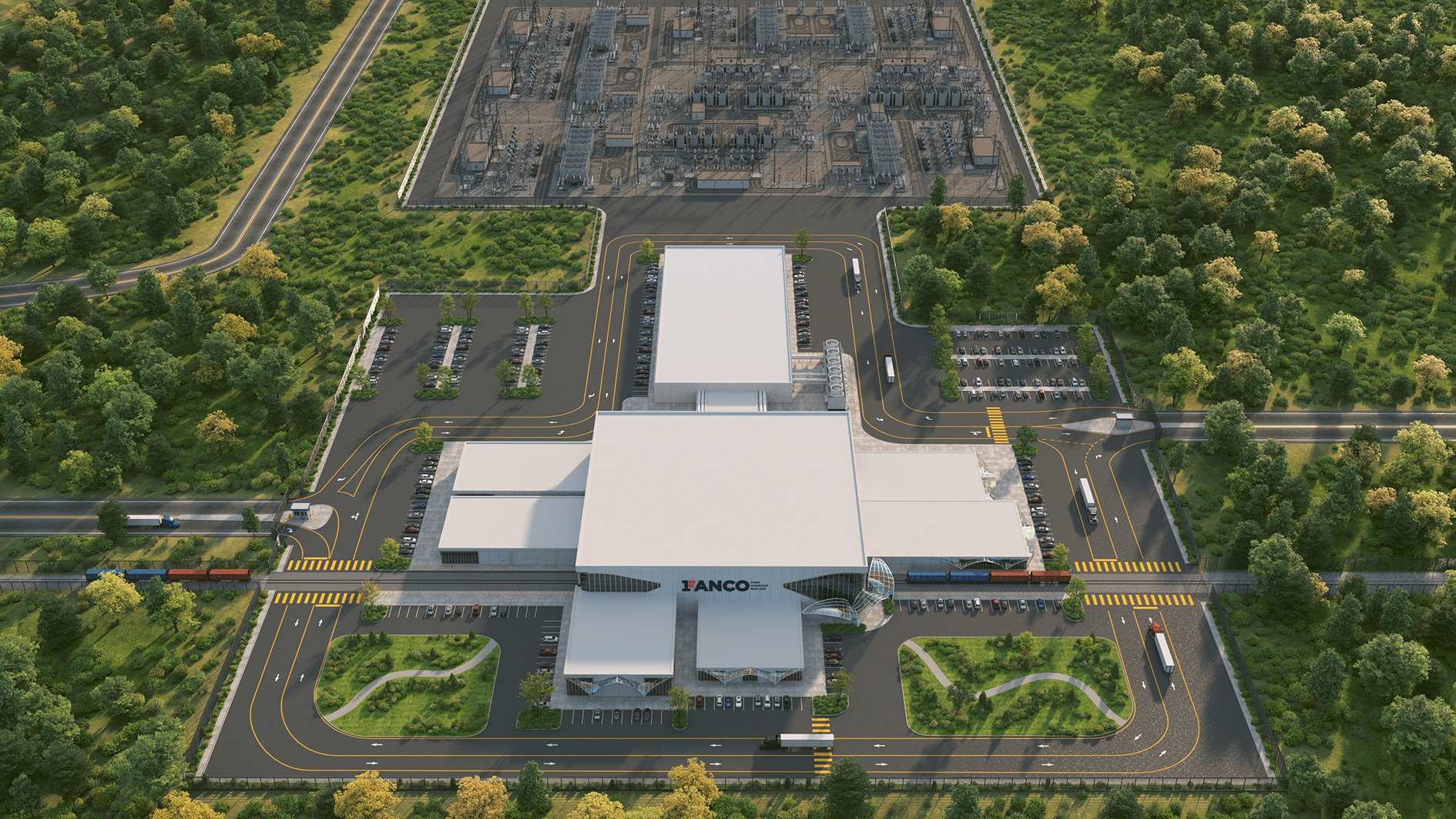
Scalable energy parks
Customers can begin with a standalone 240 MWe unit or deploy multiple reactors in phases as electricity demand grows.
ENERGY SECURITY WITHIN REACH
An established fuel form for initial deployment
The initial commercial configuration of EAGL-1 is being developed to use uranium oxide fuel containing uranium enriched to high-assay low-enriched uranium (HALEU) levels. Uranium oxide is a well-established fuel form with decades of use in commercial reactors worldwide.
This fuel choice allows FANCO to build on extensive industry experience while preserving the intended benefits of a fast-spectrum reactor. Fuel qualification, manufacturing, and licensing remain central to the EAGL-1 development program.
EAGL-1’s initial commercial deployment does not depend on the additional fuel-cycle capabilities the platform may support in the future.
FUEL FLEXIBILITY
One reactor. Multiple future fuel pathways.
Fast-spectrum reactors like EAGL-1 can operate using a broader range of nuclear materials than conventional light-water reactors. EAGL-1 is being deliberately engineered to preserve the ability to support additional fuel types in future configurations, including:
- Mixed-Oxide fuel (MOX)
- Recycled uranium
- Transuranic-bearing fuel (TRU)
- Fuel derived from existing nuclear material inventories
Each future fuel configuration would require testing, qualification, safety analysis, and regulatory approval. The value of fuel flexibility is not that every fuel is available immediately. It is that the EAGL-1 platform is not intended to depend permanently on a single fuel pathway; These future capabilities are not required for initial EAGL-1 deployment.
FUEL RECYCLING
Recovering more energy from used nuclear fuel
Conventional U.S. reactors use only a small portion of the potential energy contained in nuclear fuel before it is removed from the reactor and placed into storage. The material being stored is currently being managed as nuclear waste at sites across the United States. However, this used fuel contains valuable material that could potentially be recovered, recycled, and made into new nuclear fuel. Fast-spectrum reactors like EAGL-1 create the opportunity to recover substantially more of that remaining energy.
Future EAGL-1 configurations could be paired with advanced fuel-recycling systems that process used nuclear material into new reactor fuel. This could reduce demand for newly mined uranium, make use of existing nuclear-material inventories, and decrease the quantity and long-term burden of material requiring disposal.
Practicality now, with an eye toward what’s possible
In the near term, FANCO is focused on developing and deploying a commercially practical reactor. Over time, EAGL-1 technology and the FANCO deployment platform could also support a more secure, efficient, and sustainable approach to delivering nuclear energy. While this is a longer-term capability planned for EAGL-1, it is not required for the initial deployment of the reactor.
The closed fuel cycle future
A foundation for recycling and reusing nuclear fuel
The traditional nuclear fuel cycle is a one-way process, or open fuel cycle. In an open cycle, fuel is used, removed from the reactor, and stored as waste. Incredibly, that spent fuel still contains significant usable energy.
Alternatively, in a closed fuel cycle, fuel is repeatedly reprocessed and recycled, allowing it to be reused as fuel and more than 90% of the fissionable material to be converted into energy, reducing the amount of material that requires long-term storage.
Well-understood science and technology
Closing the fuel cycle is not a distant aspiration. The science and technology have been demonstrated, and the fuel already exists.
While EAGL-1’s fast-spectrum architecture is intended to support a future closed fuel cycle, doing so would require recycling facilities, qualified fuel-fabrication capabilities, appropriate safeguards, and additional regulatory approvals.
A closed nuclear fuel cycle could help the United States expand clean nuclear energy, strengthen long-term energy security, and reduce the amount of nuclear waste requiring permanent disposal. By making better use of existing fuel resources, America could support reliable nuclear power at scale while advancing energy security at home and abroad.
ENERGY SECURITY
A platform designed for the long term
EAGL-1 is being developed first as a practical source of reliable, utility-scale electricity. Its broader value lies in the options created by its fast-spectrum architecture.
- The ability to use multiple fuel pathways
- The potential to recover more energy from nuclear material
- Reduced dependence on a single long-term fuel supply
- The potential to consume transuranic materials
- Future integration with advanced fuel recycling
Together, these capabilities could help strengthen domestic energy security, reduce long-term fuel-cycle constraints, and restore U.S. leadership in advanced nuclear technology.